

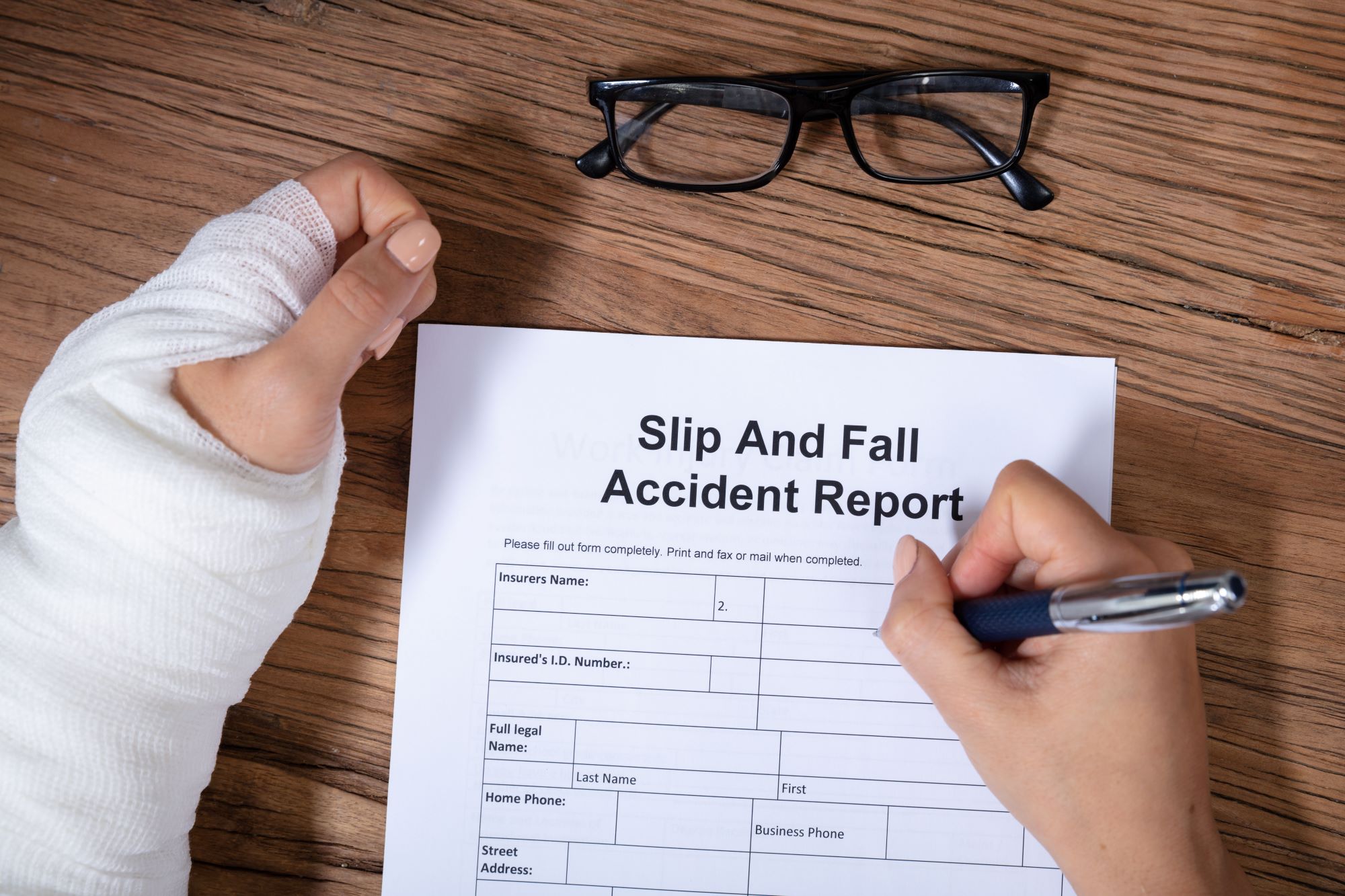
Slip and fall accidents are more than mere mishaps; they often lead to serious injuries that can have long-lasting impacts on an individual’s health, finances, and overall quality of life. Such incidents throw victims into a labyrinth of legal proceedings, insurance negotiations, and recovery challenges, each aspect as daunting as the next.
Whether you are grappling with the immediate aftermath of an accident or navigating the intricate stages of legal action, this guide aims to equip you with the knowledge required to manage the factors influencing slip and fall claims effectively.
Evidence Of The Accident
The foundation of any slip and fall claim is the evidence collected immediately after the incident. The quality and timeliness of this evidence can significantly bolster your case, highlighting the hazardous conditions that led to the accident.
Photographic or video documentation of the slip and fall accident scene, alongside statements from witnesses and an official report, serve as incontrovertible proof of the circumstances surrounding the fall. The preservation of this evidence is paramount, as any alteration or loss can severely weaken your position, making it crucial to secure and maintain all relevant documentation meticulously.
Nature Of The Hazard
Identifying and understanding the hazards that caused the slip and fall is crucial. Clearly establish the type of hazard—whether it is a wet floor, an icy walkway, or an uneven step. Additionally, the visibility and obviousness of this hazard are key factors; a hidden or unclearly marked hazard can strengthen claims of negligence, suggesting that the property owner or responsible party did not provide adequate warning or rectify the dangerous condition.
Location Of The Accident
The location of the accident significantly impacts the legal nuances of a slip and fall claim. Incidents occurring on public versus private property are subject to different laws and regulations, including variations in liability and statutes of limitations.
The overall condition and maintenance of the property also come under scrutiny, as a well-maintained premise supports a defense against negligence claims. At the same time, evident disrepair or neglect can imply liability.

Liability And Negligence
A critical aspect of a slip and fall claim is proving the property owner’s negligence. Demonstrating that the owner knew or should have known about the hazardous condition and failed to address it is essential for establishing liability.
Furthermore, the concepts of comparative and contributory negligence, where the victim’s actions may reduce the compensation due to shared fault, underscore the importance of thoroughly analyzing every detail of the incident.
Personal Conduct
The conduct of the injured party before, during, and after the slip and fall accident can significantly affect the outcome of the claim. Actions such as ignoring visible warning signs or engaging in risky behavior can diminish the victim’s credibility and potentially reduce the claim’s value. Additionally, pre-existing health conditions are scrutinized to determine if the fall exacerbated these conditions or if the injuries claimed are entirely new.
Legal Representation
The expertise and approach of the legal counsel representing the slip and fall claim are pivotal. An attorney specializing in such cases can significantly influence the proceedings through strategic negotiation with insurance companies and compelling presentations in court. The choice of legal representation can mean the difference between a favorable settlement and a protracted legal battle with uncertain outcomes.
Insurance Policies
The role of insurance policies, particularly the coverage limits of the property owner’s insurance, plays a critical role in the compensation process. Insurance companies, aiming to minimize their payouts, often employ tactics that necessitate adept negotiation skills from your legal team. Understanding these dynamics is crucial for setting realistic expectations regarding the compensation that can be achieved.
Medical Documentation
Comprehensive medical documentation is essential for substantiating claims related to injuries sustained in the fall. This includes records of immediate medical treatment, ongoing care, and the impact of the injuries on daily life and work. Such documentation not only supports claims for medical expenses but also non-economic damage like pain and suffering, highlighting the full extent of the accident’s impact on the victim’s life.
Statute Of Limitations
The legal timeframe within which you can file a slip and fall claim, known as the statute of limitations, varies by jurisdiction. Missing this filing deadline can completely bar your ability to seek compensation, making it imperative to act swiftly and be aware of the specific time limits applicable to your case.
Economic And Non-Economic Damages
Understanding the types of damages you are entitled to and how they are calculated is vital. Economic damage compensates for quantifiable losses such as medical bills and missed earnings, whereas non-economic damage provides recompense for intangible losses like pain and suffering, and diminished quality of life. Conducting a detailed evaluation of these damages is key to crafting a claim that accurately represents the full scope of your losses incurred.
Conclusion
Recognizing the importance of these factors ensures that victims are equipped to pursue the justice and compensation they rightfully deserve. Armed with knowledge and the right approach, claimants can turn the tide in their favor, securing not just compensation but also a sense of closure and justice from the ordeal.
