

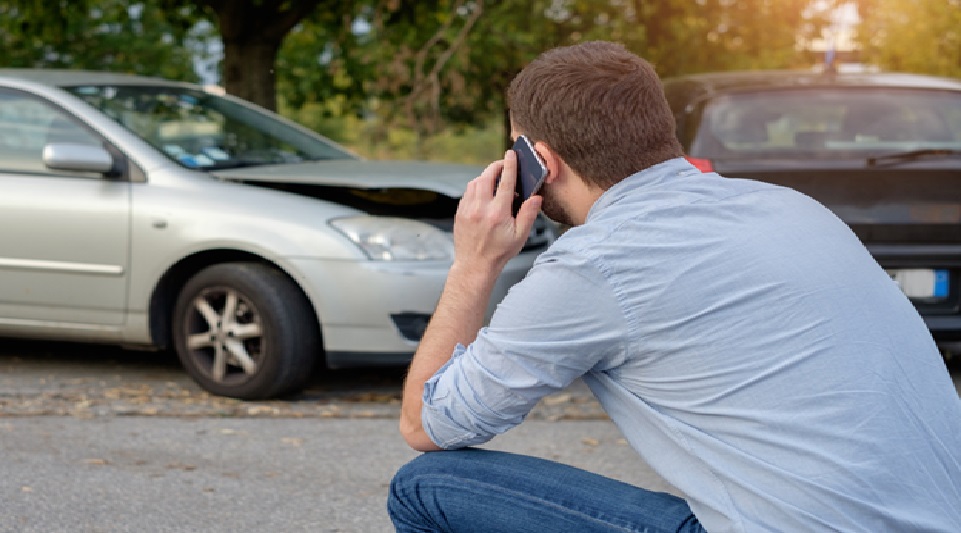
When it comes to car accidents in Florida, determining who’s at fault isn’t always straightforward. That’s where comparative negligence comes into play. Florida follows a modified comparative negligence rule, which means more than one party can share fault for an accident. Understanding how this law works can significantly impact your ability to recover compensation after a crash.
What Is Comparative Negligence?
Comparative negligence assigns a percentage of fault to each party involved in an accident. For example, if one driver ran a red light but the other was speeding, both may share blame. The key question is: how does this affect your compensation?
Florida’s Modified Comparative Negligence Rule
As of March 2023, Florida adopted a modified comparative negligence system with a 51% bar rule. Here’s what that means:
- You can recover damages if you are 50% or less at fault.
- If you are 51% or more at fault, you cannot collect compensation.
How It Works in Practice
Imagine you’re in a car accident, and your damages total $100,000. The court finds you 20% responsible because you were slightly speeding. Under comparative negligence, your compensation would be reduced by your percentage of fault:
- $100,000 – 20% = $80,000 in compensation.
However, if the court finds you 60% at fault, you’d walk away with nothing.
Why Does This Matter?
Insurance companies often try to shift more blame onto the victim to reduce their payout. Without legal representation, you might end up with a lower settlement—or no settlement at all.
What Should You Do After an Accident?
- Document Everything: Take pictures, gather witness statements, and get a police report.
- Avoid Admitting Fault: Even saying “I’m sorry” can be misinterpreted as admitting guilt.
- Contact a Florida Car Accident Attorney: An experienced lawyer can protect your rights and ensure the fault is assigned fairly.
Need Help Navigating Florida’s Comparative Negligence Laws?
If you’ve been injured in a car accident, don’t let the insurance companies unfairly blame you. Kevin L. Sullivan II, an experienced Florida car accident attorney, knows how to fight for your rights—even in complex cases involving shared fault.
Call (813) 598-4868 today for a free consultation and get the compensation you deserve.
This post was written by a professional at Kevin L. Sullivan II. Attorney Kevin L. Sullivan II is your truck accident attorney Tarpon Springs FL and the best personal injury attorney near you for LeavenLaw. Kevin is proud to serve Florida accident victims that have been injured in auto accidents, motorcycle accident, slip and falls or have suffered any other type of injury caused by negligence. Kevin offers a FREE no-obligation consultation to discuss your claim. There are NO upfront fees or costs and if he does not collect for you, you do not owe him anything.
