

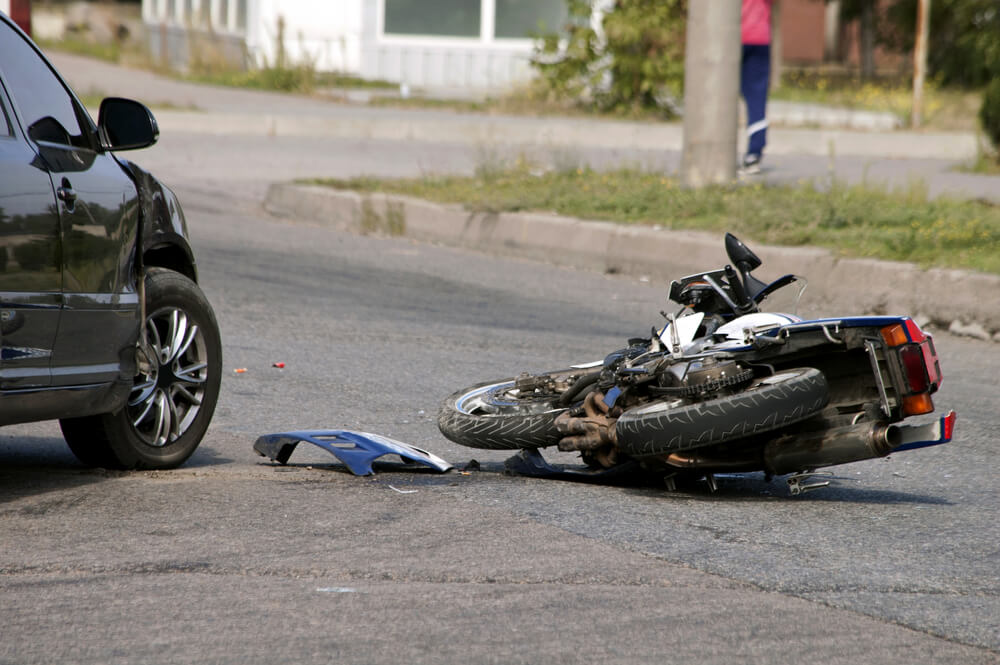
Motorcycle crashes often start with one simple choice. A driver looks at a phone instead of the road. A car turns left without checking its blind spot. A truck follows too close and cannot stop in time. You pay the price. Your body takes the hit. Your life changes in seconds. This blog explains how driver negligence causes motorcycle accidents. You will see how speeding, distraction, drunk driving, and unsafe lane changes put you in danger. You will also see what you can do after a crash to protect your rights and your future. You may need medical care, time off work, and strong support from a motorcycle accident lawyer. You deserve to understand what went wrong and why it was not your fault.
Why Motorcycles Face Higher Risk
On a motorcycle, your body is exposed. There is no steel frame. There is no airbag. There is only your gear and your skill. A driver’s careless move can put you on the ground in an instant.
Federal data shows the danger. The National Highway Traffic Safety Administration reports that motorcyclists were about 22 times more likely to die in a crash than passenger car occupants in 2022, per vehicle mile traveled.
You can ride with care and still face risk from others. That is the hard truth. Many crashes happen even when the rider does nothing wrong.
Common Types Of Driver Negligence
Negligence means a driver does not use reasonable care. That choice or habit then hurts you. Here are three common patterns.
1. Distracted Driving
Phone use is the most visible problem. The danger is bigger than texting.
- Reading or sending messages
- Scrolling social media
- Using navigation without stopping
- Eating or grooming while driving
- Turning to talk to passengers
Any time eyes leave the road, you disappear from that driver’s mind. A small motorcycle is easy to miss even when a driver pays attention. With distraction, your chance of being hit grows fast.
2. Speeding And Aggressive Driving
Speed cuts reaction time. It also increases the force of impact. When a driver speeds, you face two problems.
- The driver has less time to see and respond to your bike.
- The crash hits harder when it happens.
Aggressive habits add to the danger. Common examples include tailgating, weaving through traffic, and running red lights. A driver may see you as an obstacle, not as a person. That choice can break your spine, your legs, and your plans.
3. Failure To Yield And Left Turn Crashes
Many crashes happen when a car turns left in front of a motorcycle. You ride straight through an intersection. A car driver thinks there is time to turn. The driver misjudges your speed or does not see you at all.
These crashes often lead to head and chest injuries. You may be thrown over the car. You may land on the road. The driver may say you “came out of nowhere.” That phrase is common. It is also wrong. You were there. The driver did not look with care.
How Negligent Drivers Cause Specific Crash Types
The table below links common negligent acts with crash patterns and likely effects on you.
| Driver behavior | Common crash type | Typical impact on rider
|
|---|---|---|
| Texting or using phone | Rear-end or side-swipe at low or moderate speed | Road rash, broken bones, head injury even with helmet |
| Speeding | High-speed rear-end, loss of control, highway crashes | Life-changing trauma, long hospital stays, long rehab |
| Failure to yield left turn | Head-on or angle crash in intersection | Chest and leg injuries, spinal damage, internal bleeding |
| Drunk or drugged driving | Nighttime lane drift, wrong-way crash | Severe brain injury, permanent disability, death |
| Unsafe lane change | Side-swipe and forced off road | Shoulder, arm, and neck injuries, fear of riding again |
The Role Of Impaired Driving
Alcohol and drugs change judgment, vision, and reaction time. An impaired driver may not see you at all. Or the driver may see you and still pull out.
The Centers for Disease Control and Prevention notes that about one in three traffic deaths in the United States involves a drunk driver. You can read their summary at https://www.cdc.gov/transportationsafety/impaired_driving/index.html.
Late at night, you face greater risk. Weekends also bring more impaired drivers. You might do everything right. A drunk driver can still crush your bike in an instant.
Blind Spots And Lane Changes
Cars and trucks have blind spots along the sides and rear. A motorcycle fits inside those gaps with ease. When a driver changes lanes without a full check, you can be clipped or pushed off the road.
Three habits increase this risk.
- Relying only on mirrors
- Skipping the shoulder check
- Changing lanes without signaling
When the driver fails to act with care, that is negligence. Your broken collarbone or damaged spine is the result.
How You Can Lower Your Risk
You cannot control other drivers. You can still take steps to lower the odds.
- Wear a DOT approved helmet and strong gear.
- Use your headlight at all times.
- Leave space around your bike. Avoid riding beside a car for long periods.
- Watch wheels and front bumpers for early signs of a move.
- Plan an escape route in every lane.
These steps do not erase risk. They give you a better chance to see trouble and respond.
What To Do After A Crash Caused By Negligence
If a driver’s negligence causes a crash, your choices in the next hours matter. You may feel shock. You may feel anger. Try to move through three steps.
- Get medical care right away, even if you feel fine.
- Call the police so there is a report.
- Collect names, contact information, and photos if you can do so safely.
Then you can speak with a trusted legal professional. You may face lost wages, medical bills, and pain that lingers. You do not have to carry those costs alone if someone else caused the crash.
Holding Negligent Drivers Accountable
Driver negligence is not just a mistake. It is a choice that can tear through your family. When you hold a negligent driver accountable, you seek justice. You also send a clear message that your life has weight.
You deserve respect on the road. You also deserve clear facts about how these crashes happen and what you can do after one. With knowledge, you can ride with more awareness. With support, you can start to rebuild after a crash that never should have happened.
