

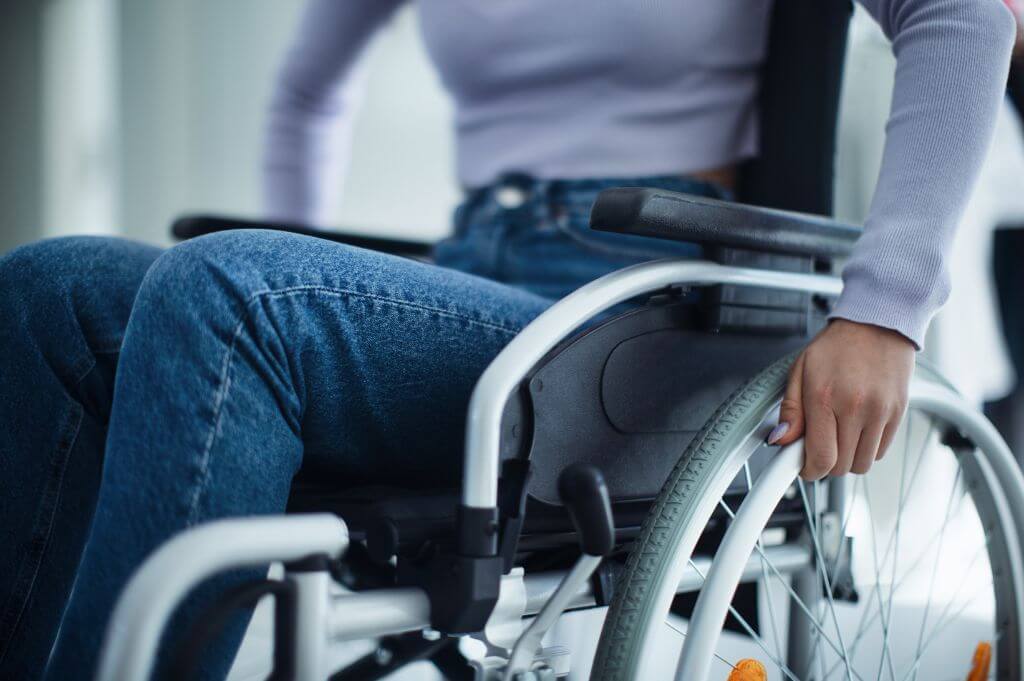
Paralysis after a crash takes more than just physical mobility. It alters your world, leaving you with emotional challenges that can feel overwhelming. Every task, once routine, becomes a reminder of what was lost. The struggle affects not just the body, but your spirit and relationships. It challenges mental resilience and invites feelings of frustration and isolation. You may need to rely on a traumatic brain injury attorney to navigate complex legal paths, but what about navigating the emotional path? Facing such challenges requires courage and community. With support, you can adapt to new ways of living and find strength in rebuilding your life. You are not alone, and resources are available to help you cope with these changes. Understanding and addressing these emotional impacts is crucial. Together, we can acknowledge the pain and work towards a future of hope and healing.
Understanding the Emotional Impact
After a crash, the emotional weight can be heavy. You might experience anxiety, depression, and mood swings. This is normal and understandable. You are dealing with a significant change. The loss of independence can lead to a sense of helplessness.
Family dynamics shift too. Roles change and responsibilities increase. Loved ones may become caregivers. This shift can cause tension and stress. Open communication is key to navigating these changes.
Common Emotional Responses
Here are some common emotional reactions you might face:
- Anxiety about the future
- Anger at the loss of physical capabilities
- Depression from lifestyle changes
- Isolation from friends and activities
Recognizing these feelings is the first step toward managing them. It is important to allow yourself to feel and express your emotions.
Coping Strategies
Finding effective coping mechanisms can improve emotional health. Consider the following strategies:
- Join a support group to connect with others facing similar challenges.
- Engage in therapy to work through complex emotions.
- Practice relaxation techniques like deep breathing or meditation.
These strategies can provide relief and help you regain control.
Resilience and Support
Building resilience is about adapting and thriving despite challenges. Lean on your support network. Friends, family, and professionals can provide the encouragement and assistance you need. The National Institute of Mental Health offers resources for coping with traumatic events.
Comparison of Emotional Support Options
| Support Option | Benefits | Considerations |
|---|---|---|
| Therapy | Professional guidance, safe space for emotions | Requires commitment, may involve cost |
| Support Groups | Community, shared experiences | Availability varies, group dynamics |
| Family Support | Love, personal connection | Emotional burden on loved ones |
Moving Forward
With time, your emotional wounds can heal. Focus on what you can control. Celebrate small victories. Reframe your mindset from what you can’t do to what you can achieve. Acceptance does not mean giving up. It means finding new ways to live fully.
Government resources like the NIH provide valuable information on coping with spinal injuries. Utilize these tools to educate yourself and empower your journey.
Conclusion
Paralysis after a crash is life-changing, but you have the strength to face the emotional challenges. By seeking support, embracing resilience, and utilizing coping strategies, you can navigate this journey. Remember, you are not alone. Together, we can build a compassionate path to healing and hope.
