

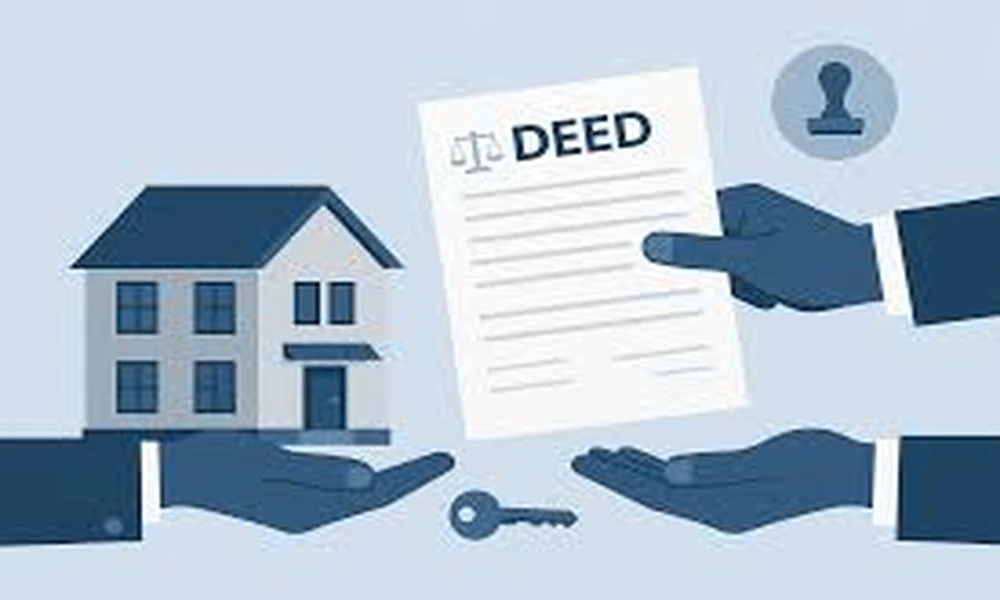
Conveyancing is the legal process of transferring ownership of a property from one party to another, and it is one of the most common reasons people hire professional solicitors chester for the first time. Because most buyers and sellers only go through the process a handful of times in their lives, it can feel unfamiliar and, at times, unnecessarily slow. Understanding the key stages in advance makes the whole process considerably less stressful.
Instructing a Solicitor
The process formally begins once a solicitor is instructed, ideally as early as possible, even before an offer has been accepted. Early instruction allows initial checks and paperwork to begin in parallel with negotiations, rather than adding delay once a sale is agreed. At this stage, your solicitor will also carry out identity checks and anti money laundering verification, which is now a standard legal requirement for all property transactions.
Drafting and Reviewing the Contract
For sellers, the solicitor prepares a draft contract along with supporting documents, including the title register, any relevant planning permissions, and a property information form covering matters such as boundaries, disputes, and alterations. For buyers, the solicitor reviews this information carefully, raising any queries that arise. This back and forth stage, often called the enquiries process, tends to be where most delays occur, particularly if older documentation is missing or unclear.
Searches
Buyers’ solicitors typically order a set of searches from the local authority and other relevant bodies. These can reveal planning restrictions, proposed developments nearby, flood risk, and any outstanding local authority charges against the property. Search results can take anywhere from a few days to several weeks depending on the local authority involved, and this is often the single biggest variable affecting how long a transaction takes overall.
Mortgage Offers and Surveys
If a mortgage is involved, the lender will usually require a valuation, and buyers frequently commission a separate, more detailed survey to assess the property’s condition. Any issues raised in a survey, from damp to structural concerns, may lead to renegotiation of price or further enquiries before contracts can be exchanged.
Exchange of Contracts
Exchange is the point at which the transaction becomes legally binding. Both parties sign identical contracts, a deposit is paid, usually around ten percent, and a completion date is fixed. Before this stage, either party can generally withdraw without significant legal consequence. After exchange, pulling out can result in the loss of the deposit or a claim for damages, which is why exchange is treated as the point of no return.
Completion
Completion is when the remaining funds are transferred, the keys are handed over, and legal ownership formally passes to the buyer. Your local solicitors north wales handle the transfer of funds and register the change of ownership with the Land Registry. It is worth confirming the completion time with your solicitor in advance, as this can vary and may affect moving arrangements on the day itself.
Common Causes of Delay
Chains, where multiple linked transactions must all complete simultaneously, are one of the most frequent causes of delay. A single delayed link can hold up every other transaction connected to it. Missing paperwork, slow responses from local authorities, and last minute mortgage complications are also common. Instructing a solicitor early, responding promptly to requests for information, and having documents such as proof of funds ready in advance can all help keep a transaction on schedule.
When Rural or Estate Property Adds Complexity
Transactions involving farmland, estates, or properties with unusual boundaries or shared access arrangements often involve additional considerations, such as agricultural tenancies, easements, or historic rights of way. These cases benefit from solicitors experienced specifically in rural and estate conveyancing, since general residential conveyancing does not always account for these added layers.
Final Thoughts
Conveyancing rarely moves as quickly as buyers and sellers would like, but understanding each stage removes much of the uncertainty. A solicitor who communicates clearly at each step, flags potential issues early, and keeps all parties in the chain updated will usually make the biggest difference to how smoothly the process feels, regardless of how straightforward or complex the underlying property turns out to be.
