

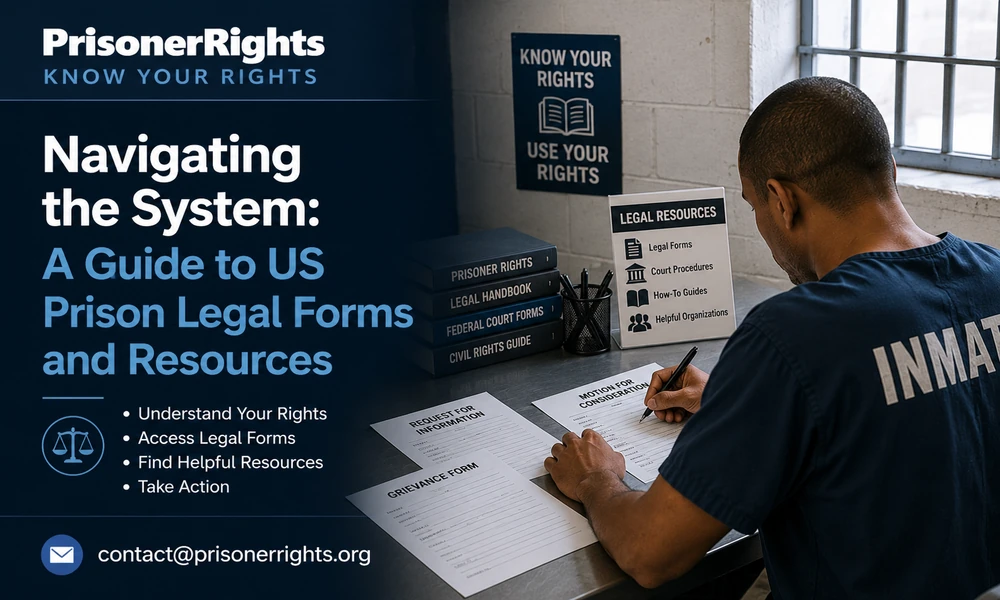
Incarcerated individuals often have to file motions or request records, grievance filers at one or another levels, and otherwise, interface with the courts. Families can also be looking for accurate information while they try to assist a loved one. The difficulty is in deciding where to start. Reliable resources like PrisonerRights.org makes it easy for you by bringing together all the information you need to understand different legal forms & procedures, as well as prisoner rights.
Every Legal Form Has a Purpose
One of the biggest mistakes people make is thinking all legal documents function identically. Well, in fact each form is for one particular legal action. Filing with the wrong one may delay a case or make them have to start the filing process again.
For instance, an individual might need one form to request court transcripts, another for a grievance concerning prison conditions, and yet another document entirely to ask for post-conviction relief. And knowing the difference can prevent you from wasting time and feeling unnecessarily frustrated.
The study of prisoner rights enables a person to know beforehand what legal options may apply to them before they have even submitted paperwork.
Finding Trustworthy Information
There are thousands of legal resources on the internet, but not every resource is updated and informative. Do not use just any random website, find already trusted and established places when it comes to information about correctional law.
Resources such as PrisonerRights.org can help users:
- Learn about common legal procedures
- Understand filing requirements
- Access educational legal materials
- Stay informed about prisoner rights
- Seek counsel before executing important paperwork
Dependable information is often as valuable as the forms themselves.
Why Little Things Make Big Difference
Legal paperwork is rarely forgiving. Not having a signature, writing the wrong case number, or forgetting an attachment can slow everything down big time.
Before submitting any document:
- Review every page carefully.
- Check that personal details are all accurate.
- Follow filing deadlines exactly.
- Keep copies of everything submitted.
- Record mailing dates and delivery confirmations where applicable.
Those things leave a nice paper trail: they are usually great things to have later if anyone has questions.
Families Clearly Make Up the Research Team
Take the access to justice for prisoners’ project. Used in prisons across eight states, many inmates do not see legal materials at all. It means parents, spouses, siblings, or even friends often have to intervene and collect information. They might check court websites, arrange the paperwork, or utilize platforms like Prisoner Rights. If you would like to learn more about what legal avenues are available through org.
Even something as easy as keeping a folder of court notices, correspondence, and filing receipts can make future legal dealing easier.
Knowledge Builds Confidence
Prisoner rights understand that you cannot cheat the law This pertains to understanding the legal recourse available, adhering to procedural legitimacy, and practicing good decision-making. Coordinated reliable information, documentation, and preparation raise the likelihood of an easier legal journey.
From independently filing paperwork to helping out a family member from their own home; one place you can trust is Prisoner Rights, and they provide a realistic place to start. The prison-related legal process is a much easier road to travel when you have proper guidance and your records are kept in an orderly fashion.
